

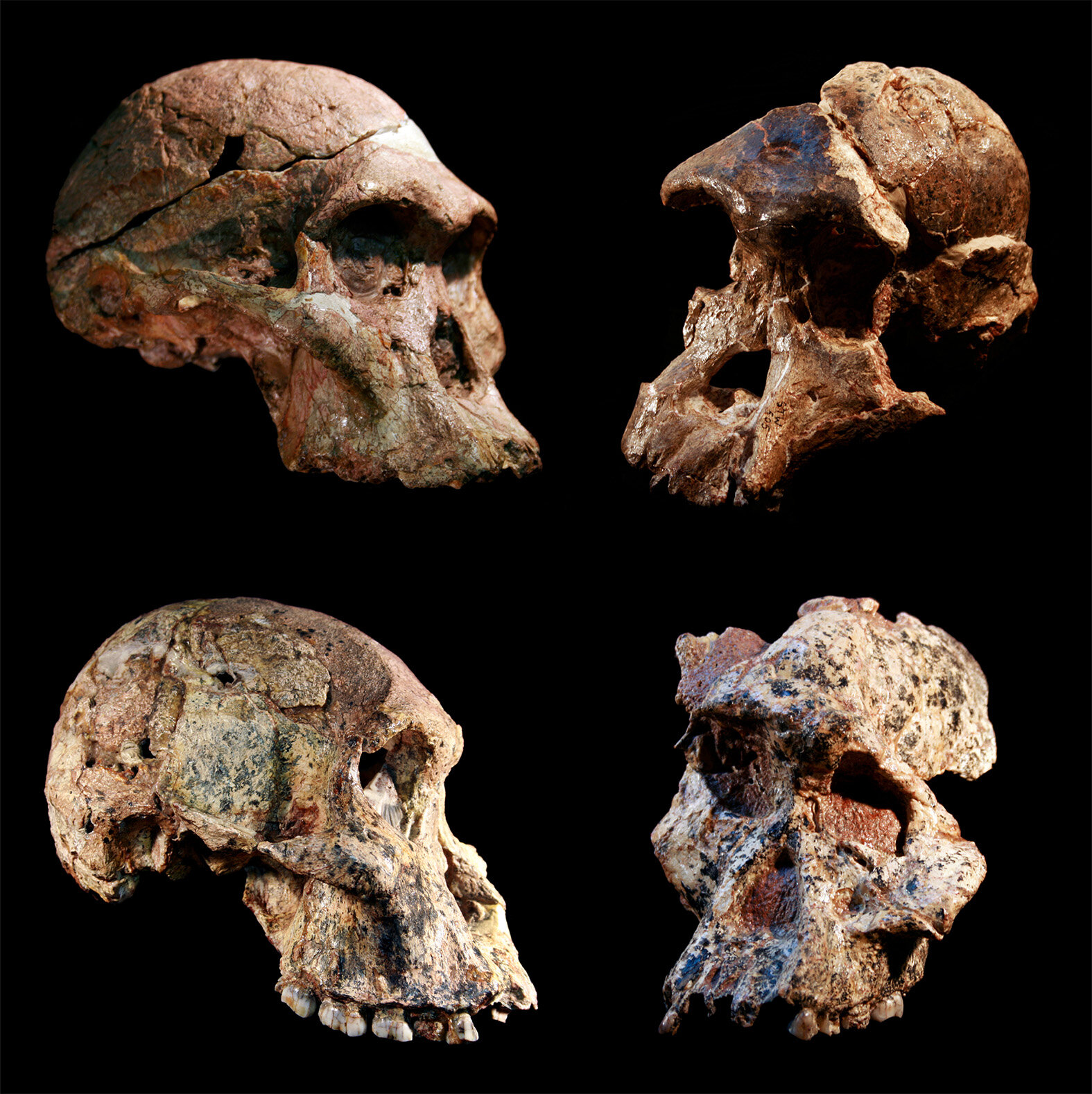
The Cradle of Humankind
Journey back millions of years to the place where our story began. Ethiopia's Great Rift Valley is a treasure trove of the world's most significant paleoanthropological discoveries, rightfully earning it the title "the Cradle of Humankind."

Lucy (Dinknesh)
The world's most famous ancestor, "Lucy" (Dinknesh in Amharic, meaning "you are marvelous"), is a 3.2-million-year-old Australopithecus afarensis. Her discovery in 1974 proved that our ancestors walked upright long before the evolution of a larger brain, rewriting human history.
Selam & Ardi
"Selam" (meaning "peace"), at 3.3 million years, is the most complete fossil of a juvenile hominin ever found. Even older is "Ardi," a 4.4-million-year-old Ardipithecus ramidus, who offered unprecedented insight into the earliest stages of human evolution.
The Lands of Discovery
The Afar Triangle
This remote, starkly beautiful region is where the African, Somali, and Arabian tectonic plates are tearing apart, creating a landscape that continuously unearths ancient history. It's here that Lucy, Selam, and countless other hominin fossils were discovered.
Explore Afar Region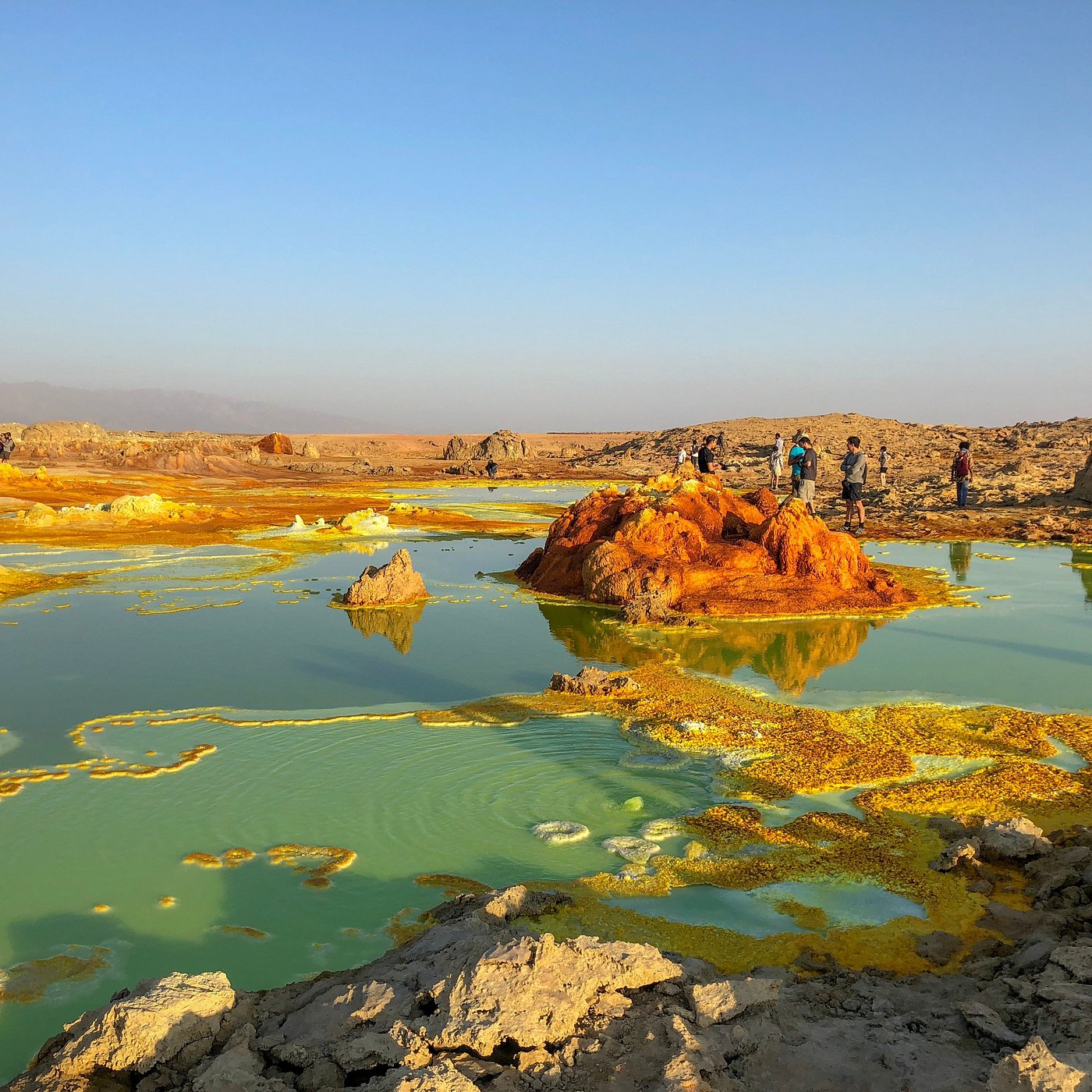
Lower Omo Valley
A UNESCO World Heritage site, the Lower Omo Valley is not only rich in hominin fossils but is also home to a remarkable diversity of indigenous cultures who have lived in the region for centuries.
Key Archaeological Sites
The site of Lucy's discovery, a pivotal location in the Afar region.
Where Selam, the "world's oldest child," was unearthed.
An area that has yielded fossils from a wide range of human evolutionary history, including Ardi.
The location where the oldest known fossils of Homo sapiens were found.
Did You Know?
The National Museum of Ethiopia in Addis Ababa is often called the "home of Lucy." While the real fossils are carefully preserved, you can see a stunning replica that illustrates her significance. Visiting the museum is an essential first step before embarking on a journey to the archaeological sites themselves.
Visit the Land of Origins
Walking through Ethiopia is walking through your own history. From the bustling streets of Addis Ababa to the ancient grounds of the Rift Valley, you are tracing the footsteps of your oldest ancestors. This isn't just a vacation; it's a pilgrimage to the very beginning of us all.
Book Your Journey to the Past